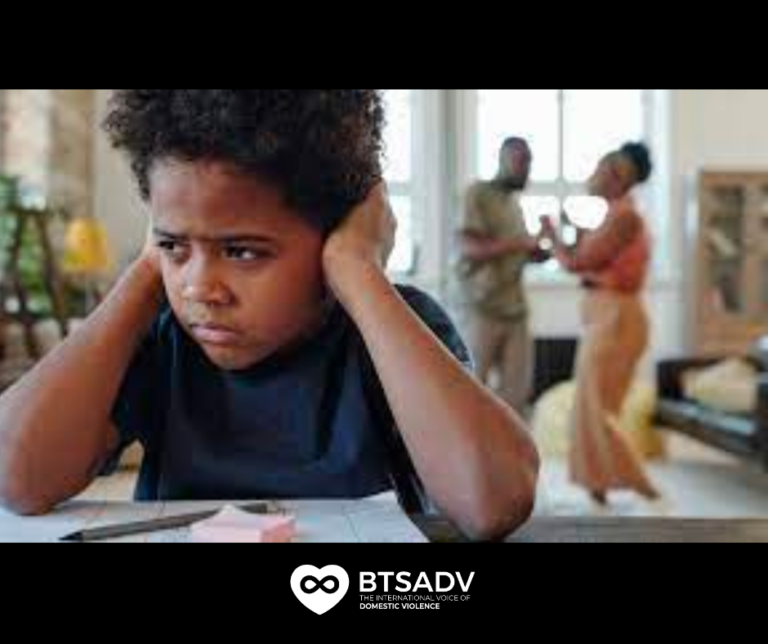
Navigating a discussion about domestic violence with a child can be difficult but
nonetheless important. For example, when I was teaching fifth grade, I had a student who had
been horrifically abused by his father share his story with classmates during recess. They asked
about the skin grafts on his arms, and he confided in them. Later, they went home and needed
their parents to help them process the information they had learned about their friend. These
children were retroactively grieving for the boy in their class who had nearly died at his father’s
hand and for his sister and mother who were killed the same day he got his scars. I can only
imagine the conversations around the dinner table that evening.
So… How do adults help our kids navigate such a sensitive topic?
Let your child know that you are listening to them and encourage them to ask any questions
they have.
Use words that they will understand. Using complicated language can confuse them even
consider how old your child is and adjust your vocabulary accordingly.
For example, you could tell your middle schooler or high schooler about the justice system and
how it handles abusers, but a kindergartener may not be able to grasp it. You might tell a younger
child about how important it is to keep our hands to ourselves, and when people don’t, the people
around them get hurt.
Reinforce that violence is not okay. Hurting people, in any capacity, is wrong. Abusers do have
consequences for their actions.
State that what happened is not the victim’s fault.
Validate their emotions. Don’t tell them that they shouldn’t be sad. If they need to feel sad to
process what they saw or heard, hold them while they cry. Hug them if they need it. Tell them it’s
okay to feel sad or angry because what happened was terrible. Be there for them. You can resume a calmer conversation once they’re
from adults, reporting it to an adult could save their life. Even if their friend is upset with them,
let them know it’s the right thing to do.
Don’t dismiss them if you aren’t sure how to answer or need guidance from a professional like a guidance counselor