By Tara Woodlee
Introduction: A Pattern Survivors Know Too Well
In recent weeks, allegations of sexual misconduct involving members of Congress have surfaced across party lines. Some cases have led to resignations, while others remain under investigation. Public debate has intensified, with growing calls for transparency, accountability, and reform.
But for survivors of abuse, this moment doesn’t feel new.
It feels familiar.
Not because of the individuals involved—but because of the pattern that emerges when power is part of the equation.
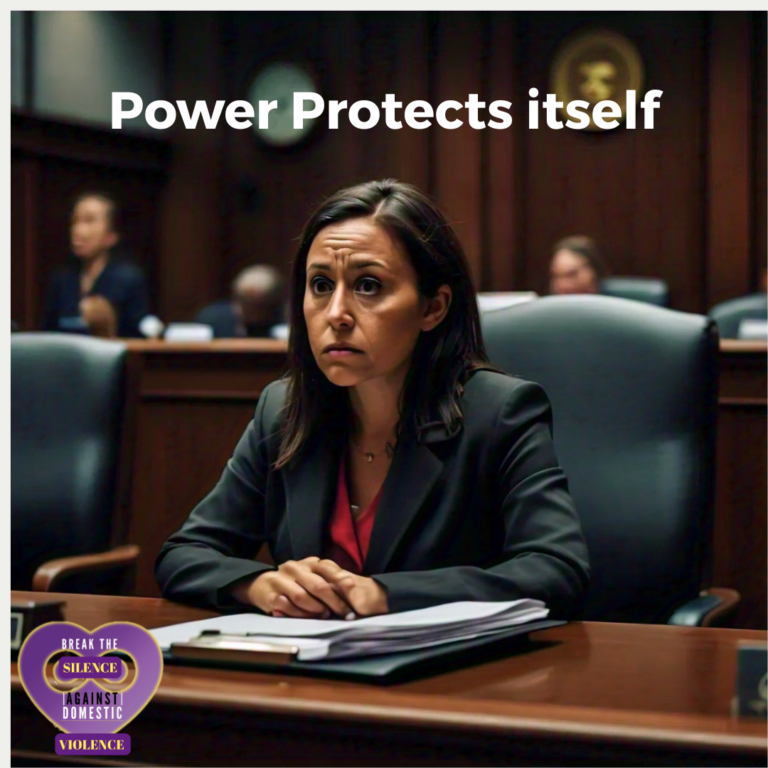
When the accused holds influence, status, or authority, everything shifts. Processes slow down. Language becomes cautious. Outcomes become uncertain. And survivors are often left watching systems weigh reputations against real harm.
Power and Abuse: Why Reporting Feels Risky
Workplace sexual harassment and abuse are already difficult to report. When power imbalances are involved, the barriers become even greater.
In environments like Congress, those dynamics are intensified. Staffers, interns, and aides often depend on elected officials for:
- Career advancement
- Professional references
- Continued employment
This creates a system where speaking up can feel like risking everything.
For many survivors, the question isn’t just “What happened?”
It’s “What will happen to me if I say something?”
When Allegations Involve Powerful Figures
Recent reporting has highlighted allegations involving members from both major political parties. Lawmakers, including Rep. Nancy Mace, have called for increased transparency around how misconduct claims are handled.
These conversations reflect long-standing concerns about how institutions respond to abuse, particularly when those accused hold power.
Key concerns often include:
- Confidential settlements
- Non-disclosure agreements (NDAs)
- Limited public visibility
- Inconsistent accountability
These issues are not unique to government—they mirror patterns seen in workplaces across the country.
A System Under Scrutiny: Who Is Protected?
As more allegations come to light, a central question continues to surface:
Who is the system designed to protect?
For survivors, the answer can feel unclear.
When outcomes vary, when processes lack transparency, and when accountability appears inconsistent, trust erodes. Survivors may feel that systems are structured to protect institutions and reputations rather than the people harmed.
Beyond Congress: A Widespread Reality
This issue extends far beyond politics.
Across workplaces, schools, and communities, similar patterns emerge:
- Reporting feels risky
- Silence feels safer
- Consequences are uncertain
- Power shields behavior
The setting may change, but the experience often does not.
For survivors, seeing these patterns play out on a national stage can reinforce what they already know firsthand.
Why Transparency and Accountability Matter
Transparency is not about politics—it is about safety.
Clear systems and consistent responses help create environments where survivors can come forward without fear of retaliation or dismissal.
Effective accountability includes:
- Defined reporting processes
- Consistent consequences
- Public trust in outcomes
Without these, silence continues—and harm can persist.
What Survivors Deserve
Survivors deserve more than acknowledgment. They deserve systems that work.
That includes:
- The ability to report safely
- Protection from retaliation
- Consistent and fair investigations
- Accountability regardless of status or position
Because abuse does not become less serious when the accused holds power.
And accountability should not become more complicated because of it.
Moving Forward: Changing Systems, Not Just Headlines
As investigations continue and public attention remains focused, there is an opportunity to look beyond individual cases.
Real change requires examining the structures that allow these patterns to persist.
It means asking difficult questions, strengthening policies, and ensuring that systems prioritize people over power.
Because lasting change does not happen in headlines alone.
It happens when systems stop protecting power—and start protecting people.
Resources & Support
If you or someone you know is experiencing abuse, support is available:
- National Domestic Violence Hotline
thehotline.org
Call: 1-800-799-7233 | Text START to 88788 - Break the Silence Against Domestic Violence
breakthesilencedv.org