by Tara Woodlee
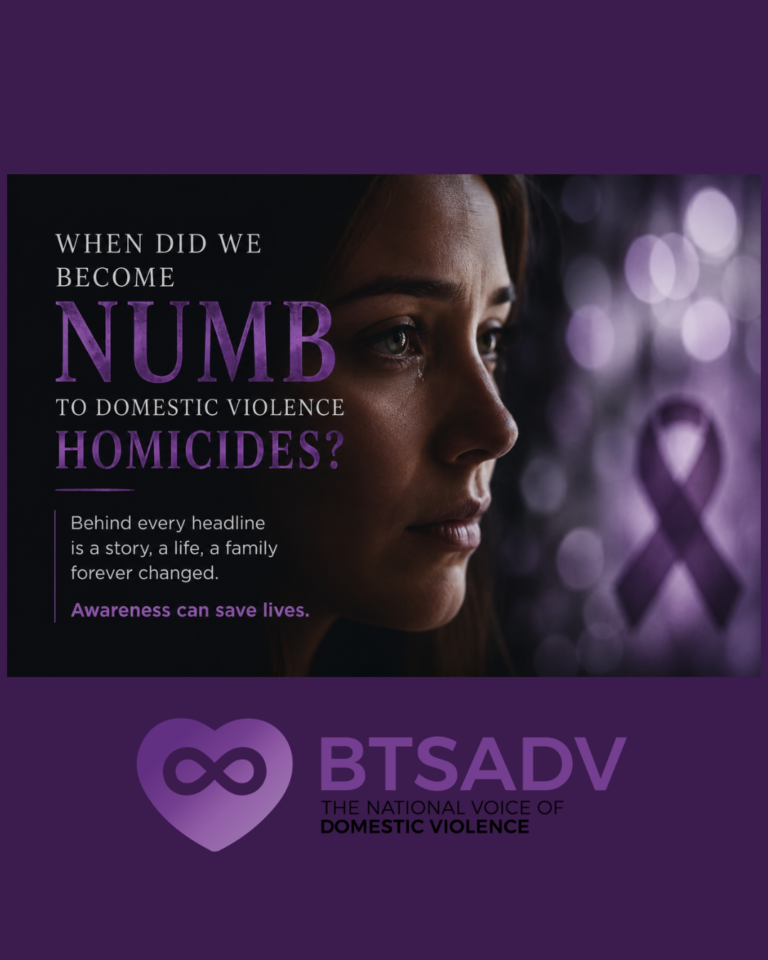
Open your news feed on almost any day, and another domestic violence tragedy appears.
A parent lost.
A son or daughter gone.
A child left behind.
A family forever changed.
These headlines have become so frequent that many people scroll past them without stopping.
That should concern all of us.
The Pattern Behind the Headlines
Domestic violence homicides are rarely sudden or random. In many cases, they are the final chapter of a much longer story.
Warning signs often appear long before the tragedy:
- Stalking
- Threats
- Strangulation
- Coercive control
- Repeated assaults
- Violations of protective orders
Friends and family may sense something is wrong but feel unsure how to respond.
These are not isolated incidents. They are patterns.
According to the Centers for Disease Control and Prevention (CDC), more than half of female homicide victims are killed by a current or former intimate partner. This statistic highlights a critical truth—domestic violence is not a private issue. It is a public health crisis.
Research also shows that strangulation is one of the strongest indicators of potential lethal violence. Yet many survivors never receive intervention before abuse escalates.
What Are We Missing?
After a homicide, the same question is often asked:
How did this happen?
A more important question may be:
What warning signs were missed?
In many cases, there were clear indicators:
- Prior police reports
- Escalating threats
- Stalking behavior
- Attempts to leave the relationship
- Concern from loved ones
- Past violence dismissed as “just an argument”
Looking back, the danger becomes clearer. Recognizing it earlier is where lives can be saved.
Why Awareness Is Not Enough
Awareness matters, but it is only the beginning.
Real change requires:
- Education about warning signs
- Early intervention
- Community accountability
- Support for survivors
Abuse should never be minimized as a relationship issue. It is a pattern of power and control that can turn deadly.
Every Life Has a Story
Each headline represents more than a statistic.
It represents a life filled with dreams, relationships, and purpose. It represents people left behind, searching for answers and trying to heal.
Every survivor who finds safety matters, life saved matters, conversation matters.
Preventing the Next Tragedy
Recognizing the signs of domestic violence can change outcomes.
If even one person sees these warning signs and takes action—whether for themselves or someone they love—that awareness can save a life.
Support is available through
National Domestic Violence Hotline
and advocacy organizations like
Break the Silence Against Domestic Violence.
The goal is not to count tragedies after they happen.
The goal is to prevent the next one.